Plan Your Trip
Art in even years, architecture in odd, May to November. Giardini and Arsenale are the anchors. Collateral shows fill every spare palazzo in between.
TLDR
The Biennale alternates: art exhibitions in even years (2026, 2028), architecture in odd years (2027, 2029). The main venues are the Giardini (30 national pavilions) and the Arsenale (central curated show and more pavilions), both in Castello. The exhibition runs late April or May to late November. Plan a full day for the Giardini and a full day for the Arsenale, then pick two or three collateral shows. Book via labiennale.org.
Insider Tip
The two-venue ticket is roughly 30 euros and is valid for one visit to each. If you arrive at the Giardini for opening at 11:00 and stay until 14:00, then walk 15 minutes along the Riva to the Arsenale, you can do both in a single day. Allow a full second day to return to the venue that blew your mind.
What the Biennale is
La Biennale di Venezia is the city’s 130-year-old exhibition foundation. It runs multiple festivals through the year, but the two that travellers plan around are the International Art Exhibition and the International Architecture Exhibition. Each edition has an artistic director, a central themed show in the main Arsenale hall, and national pavilions that each country curates independently. It is the closest the art world gets to the Olympics.
The cycle: art or architecture
| Year | Edition | Typical window |
|---|---|---|
| 2026 | Art | Late April to late November |
| 2027 | Architecture | Late May to late November |
| 2028 | Art | Late April to late November |
| 2029 | Architecture | Late May to late November |
The art edition skews bigger, more visited, and more famous names. The architecture edition is smaller, more technical, more interesting if you already design for a living. Both use the same venues.
The Giardini
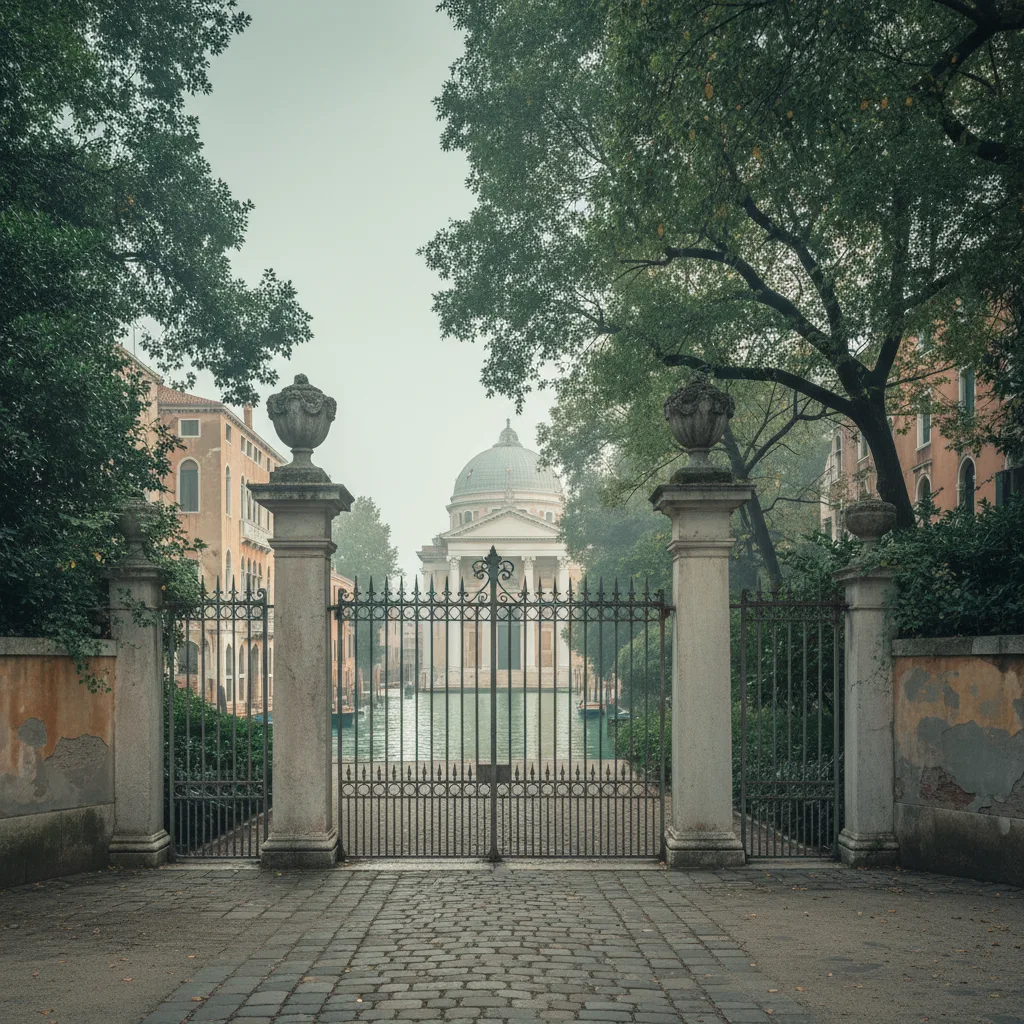
The Giardini della Biennale are in eastern Castello, a 20-minute walk from St Mark’s along the Riva or a 5-minute vaporetto hop on Line 1 or 5.1 to Giardini. It is a proper park with 30 national pavilions, built in every architectural style from 1895 Beaux-Arts to 1960s Nordic modernism. The British Pavilion, German Pavilion, Dutch Pavilion and the US Pavilion are the biggest draws. The central Italian Pavilion holds the Biennale’s own collection. Plan four to five hours. Sit in the park between pavilions; there are cafes with reasonable prices by Venice standards.
The Arsenale
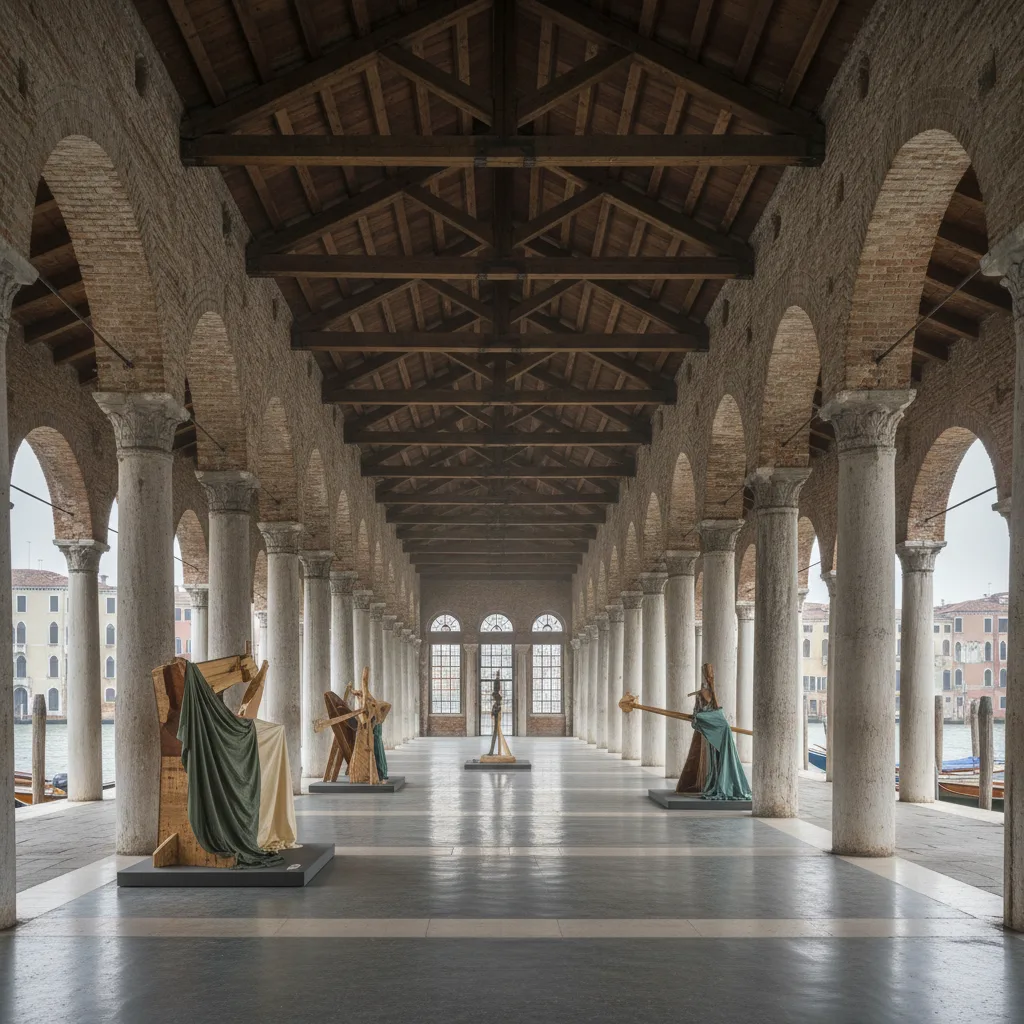
The Arsenale is the city’s old naval shipyard, a vast complex of warehouses, dry docks and ropewalks that has been converted into exhibition halls. The Corderie (the rope factory) is the long central building that holds the main curated show. The Artiglierie, Gaggiandre, and the Giardino delle Vergini hold more pavilions, plus national pavilions for countries that don’t fit in the Giardini (Italy hosts its own big pavilion at the Tese). Entrance is at Campo della Tana, a 10-minute walk from Arsenale vaporetto stop. Plan five to six hours, including a real lunch break.
Collateral events across the city
Around 20 to 30 official collateral events run in palazzi and galleries across the historic centre. Some are free, some charge 10 to 15 euros. They are often the most memorable parts of the visit because they sit inside buildings not normally open to the public. The Biennale guide you receive with your ticket lists current shows with a map. A good pattern: Giardini day one, Arsenale day two, collateral shows day three with a vaporetto pass.
Tickets and practicalities
- Single venue: around 25 euros.
- Giardini plus Arsenale combined: around 30 euros, one entry per venue.
- Three-day pass: around 40 euros.
- Students and under-30s: reduced rates, bring ID.
- Guided tours: 70 to 100 euros per group of up to 10, book via the Biennale site or approved providers.
- Opening and closing weeks are madness. If you can, travel in June, September or October.
- Closed on Mondays except holidays. Open 11:00 to 19:00 most days.
Where to stay for the Biennale
Castello is the obvious answer, because both venues are within a 15-minute walk. South San Marco (Calle Larga XXII Marzo area) works if you want closer access to collateral palazzi. Dorsoduro is good for the Zattere collateral shows. See our Castello sestiere guide for specifics.
Practical close
Book three nights in Castello, buy the combined ticket on labiennale.org before you fly, and start at the Giardini on Tuesday morning. Then see when to visit for non-Biennale planning.
Common questions
When is the Venice Biennale in 2026?
The 2026 art edition is expected to open in late April and run until late November. Confirm exact opening and closing dates on labiennale.org once the artistic director announces the programme, typically a year in advance.
How much is a Biennale ticket?
Around 25 euros for one venue, 30 for both, 40 for a three-day pass. Reduced rates apply for students and visitors under 30. Guided tours are separate.
Can I see the Biennale in one day?
Yes if you are fast and focused. Start at the Giardini at opening, spend three hours, walk to the Arsenale, spend three hours, and accept that you have skimmed. Two days is the sensible minimum. Three lets you add collateral shows.
Is the Biennale worth visiting if I don’t know about art?
Yes for the architecture Biennale, which is accessible and heavy on models, drawings and films. Mixed for the art edition, where half the work rewards context and half does not. A one-hour guided tour at the start changes the experience for first-timers.
Are Biennale collateral events free?
Some are, some charge 10 to 15 euros. They are listed in the Biennale guidebook and on the official site. A handful of the best ones are in palazzi that are otherwise closed to the public, which is a reason in itself to visit.
Can I bring children?
Under-6s are free. Giardini works better than the Arsenale for children, because the park setting lets them run between pavilions. Budget for frequent breaks. Some pavilions contain loud sound pieces; check the warnings at the entrance.